Success After Service: Turning Military Values into Career Momentum
For many transitioning service members, the end of uniformed service brings an unsettling question: What comes next? The structure, clarity, and purpose that defined military life are suddenly replaced with uncertainty—about career direction, professional identity, and how years of service will translate in a civilian job market.
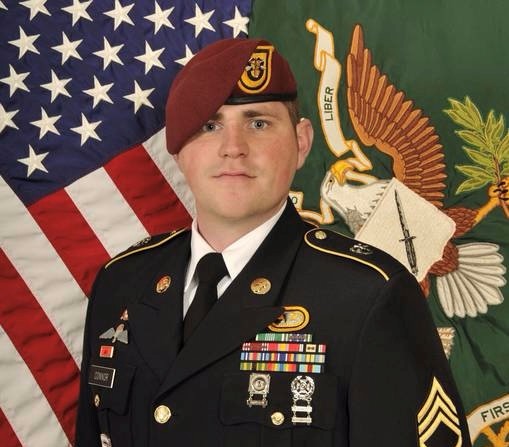
Army veteran Gary Connor faced those same questions as he prepared to leave the Army. Rather than viewing his transition as a single moment or a leap of faith, Gary approached it as a mission—one that required early preparation, deliberate planning, and a clear understanding of his long-term goals. By intentionally applying the values he developed through military service, Gary not only navigated the transition into the corporate workforce but built sustained career momentum that continues to propel him forward today.
Preparation and Resourcefulness
For many service members, the transition from military to civilian life can feel overwhelming, and Gary’s experience was no exception. Early on, he recognized that leaving the Army’s structured environment meant stepping into unfamiliar territory. Rather than waiting for opportunities to present themselves, Gary leaned into preparation and resourcefulness, skills he honed through years of service.
Gary understood that preparing early was critical to managing such a significant life change. “Transitioning from military service can be challenging,” he explained. “Starting your transition early increases your chance of success and helps you find a company that’s a good fit.”
Beginning the process ahead of separation gave him time to research career paths, understand required qualifications, and intentionally build experience that aligned with his long-term goals.
As he explored the civilian job market, Gary quickly realized how competitive it was, with many positions attracting hundreds, or even thousands, of applicants.
“Relying solely on your military background or expecting someone to simply give you an opportunity is unrealistic. Standing out as the best candidate is essential.”
– Gary Connor
To stand out, he developed a comprehensive transition plan focused on education, certifications, and real-world experience, allowing him to enter the civilian workforce prepared, confident, and competitive.
Adaptability and Perseverance
Executing that plan required discipline and resilience. Balancing education, professional development, and end-of-service responsibilities was taxing, but Gary stayed committed. “Although the plan was demanding, the benefits were considerable and facilitated a smoother transition,” he reflected.
Near the end of his active-duty contract, Gary pursued both his bachelor’s and master’s degrees and participated in Hiring Our Heroes’ Corporate Fellowship Program.
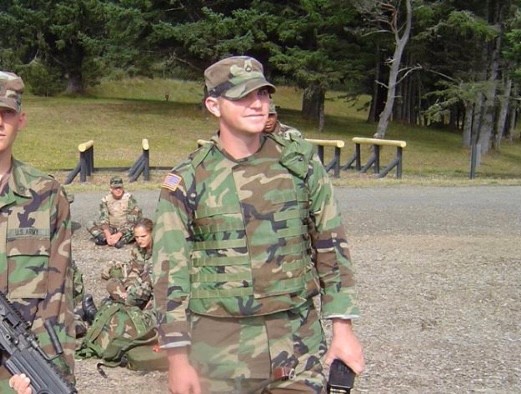
Through the fellowship, he gained hands-on experience in a civilian workplace Monday through Thursday, while Fridays were dedicated to professional development. During this time, he also earned his Lean Six Sigma Green Belt certification, a credential that equips professionals to analyze processes, eliminate inefficiencies, and improve organizational performance.
Gary’s fellowship with Amazon, where he worked on recruiting projects in the operations department, sharpened his business communications skills, taught him how to influence without formal authority, and built confidence working outside of the Army.
Throughout this process, Gary learned how to better articulate his value to civilian employers. He refined how he translated military experience into corporate terms, demonstrated leadership impact, and learned that his core values and work ethic were highly transferable.
Dependability and Diligence
Gary’s preparation soon paid off. His military experience, education, HOH fellowship, and certification all made him a strong job candidate, ultimately leading to a full-time role at Boeing in Workforce Development for manufacturing. Once there, he continued to apply the same principles he used to guide him in the Army – showing up on time, taking ownership of his work, and consistently delivering results.
Those habits did not go unnoticed. Through steady performance, Gary advanced into roles as Program Manager and later Portfolio Manager for Global Facilities and Asset Management.
Leadership and Mentorship
After six years at Boeing, Gary joined Micron Technology as an Information Technology Portfolio Manager. In this role supporting Micron’s Chief Information Officer, he oversees approximately 300 projects annually, managing hundreds of millions in expenditures. He draws heavily on leadership skills developed during his time in the Army, including leading global teams, maintaining accountability, implementing efficient processes, and managing large-scale projects.
Despite his accomplishments, Gary acknowledged surprise at his career progression. “I feel fortunate for my post-military career growth and have expressed gratitude to my management, but they often tell me I earned it,” he said. “I’m simply following the values ingrained in us from day one in the military: showing up, working hard, persevering, and respecting others.”
Having navigated the transition and career progression himself, Gary understands the importance of opportunity for veterans entering civilian careers.
“I’ve noticed that prior service employees excel in dynamic environments and consistently take action to accomplish tasks. All that they need is the opportunity to thrive in those environments.”
– Gary Connor
And once they have that opportunity, Gary explained, veterans can build momentum by approaching their next career move with confidence in their skills, values, and work ethic, and through intentional planning. He encouraged veterans to define clear career goals, identify a target role, and work backward to create a deliberate path to success.
Careers Change, Values Endure
Gary’s journey demonstrates that the values forged through military service—discipline, adaptability, perseverance, and accountability—don’t fade with the uniform; they compound over time. When paired with intentional preparation, the ability to translate experience, and access to the right opportunities, those values become powerful drivers of long-term career growth.
For veterans approaching their next chapter, Gary’s story offers a clear reminder: success after service is rarely accidental. It is built through clarity of purpose, deliberate planning, and confidence in the strengths earned through service. With the right support and a commitment to growth, life after the military can be more than a transition. It can be the start of sustained momentum and deeply fulfilling work.