Prioritizing Your Future: Finding Work-Life Balance After the Military

The transition from military to civilian life can feel overwhelming. Faced with uncertainty, many transitioning service members take the first job offer just to secure a paycheck, often sacrificing long-term growth, earning potential, and personal well-being in the process.
But a successful transition starts with clarity. Defining what matters most, like work-life balance, can shape a career where you don’t just get by, but truly thrive.
Setting Nonnegotiables for Your Next Chapter
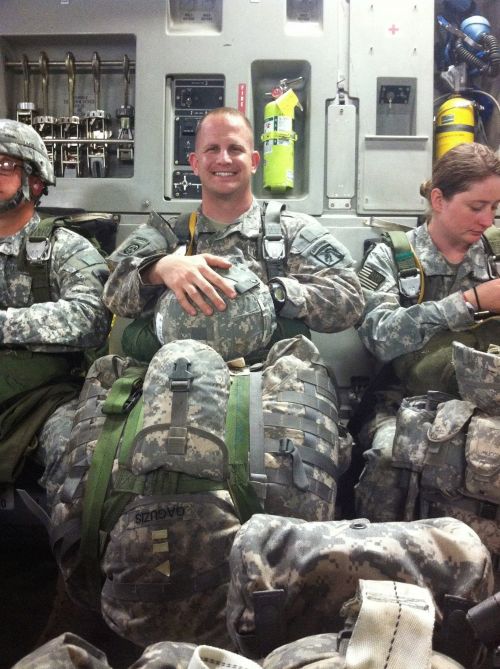
When Marc Gaguzis transitioned out of the Army after 24 years of service, he held one nonnegotiable for his job search: his family would be the main priority in the next phase of his life.
“Like many military families, my family kind of played second fiddle while I was in the service,” Marc explained. “I told them as we move forward, my focus is on them. I want to be there for the award ceremonies and different events that I missed along the way for deployments, training, and all the other things that got in the way.”
Holding Out for the Right Opportunity
Although Marc had opportunities to move directly into government work, he chose a different path, taking time to reconnect with his family and reset after years of service.
When he later began his job search, he worried he might have missed key windows of opportunity in the job market. But rather than settling, Marc focused his energy on self-enrichment. He pursued his PMP certification, explored roles outside his comfort zone, and stayed connected with fellow veterans.
A conversation with a friend ultimately led him to a Verizon recruiter, and to Hiring Our Heroes (HOH).
Turning Preparation Into Opportunity
Through HOH, Marc built new skills, earning Google Career Certificates in Data Analytics and Project Management. Those efforts paid off quickly.
With support from HOH and Verizon, Marc entered a fellowship role that combined both skill sets, and within just six weeks, he received a full-time, remote offer.
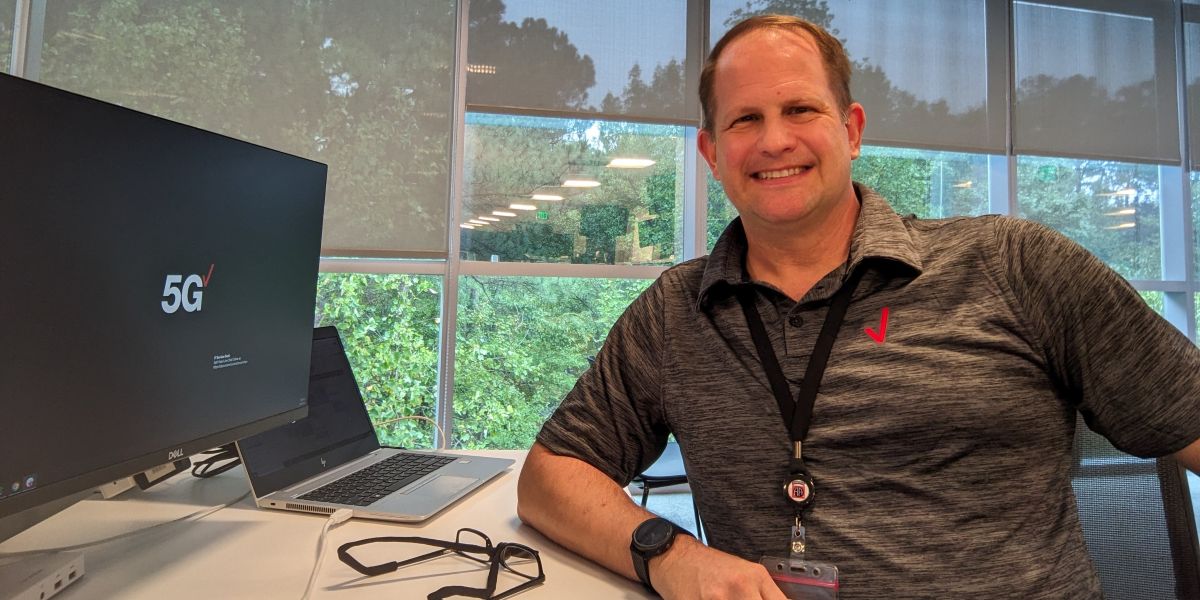
Today, Marc works as a Senior Manager for Consumer Insights and Planning at Verizon, where he translates data into actionable insights and drives customer-focused strategy, all while maintaining the work-life balance he prioritized from the start.
Translating Military Strengths to Civilian Success
Marc credits much of his success to what veterans already bring to the table.
“Veteran candidates embody the ability to accomplish different tasks – some that fit in the job description and some that don’t – in austere conditions and in dynamic environments that are ever changing,” Marc noted. “We make the mission happen. And showcasing that is very marketable to corporations.”
That mindset, combined with a willingness to step up when challenges arise, helps veterans stand out and earn the trust of leadership.
“Military members know how to ‘embrace the suck,’” Marc explained. “Somebody’s got to jump on the grenade from time to time. And if you do that, leadership sees how important of a teammate you are.”
Staying Competitive Through Continuous Learning
Marc emphasizes that success doesn’t stop with landing the job, it requires ongoing growth.
“School, school, school,” Marc urged. “Get as many certifications and trainings as you can to make yourself more indispensable.”
He also highlighted the growing importance of emerging technology.
“If you’re not finding ways to integrate AI into what you do on a daily basis, you’re probably not quite as marketable as someone who does.”
Building a Civilian Career on Your Terms
Transitioning into the civilian workforce should mean the opportunity to prioritize what matters most.
“I love my job because I get time to spend with those crazies right on the other side of this door,” Marc joked, referring to his family. “There’s good work-life balance that I didn’t have while wearing the uniform.”
His journey is a reminder that with clear priorities, the right support, and a commitment to growth, it’s possible to build a fulfilling career after service, one that aligns with both your goals and your life.