Boots to Business: How One Air Force Veteran Built His Corporate Network
For many transitioning service members, landing a job is only part of the challenge. Building a professional network that can help translate military experience into civilian career opportunities is often just as important.
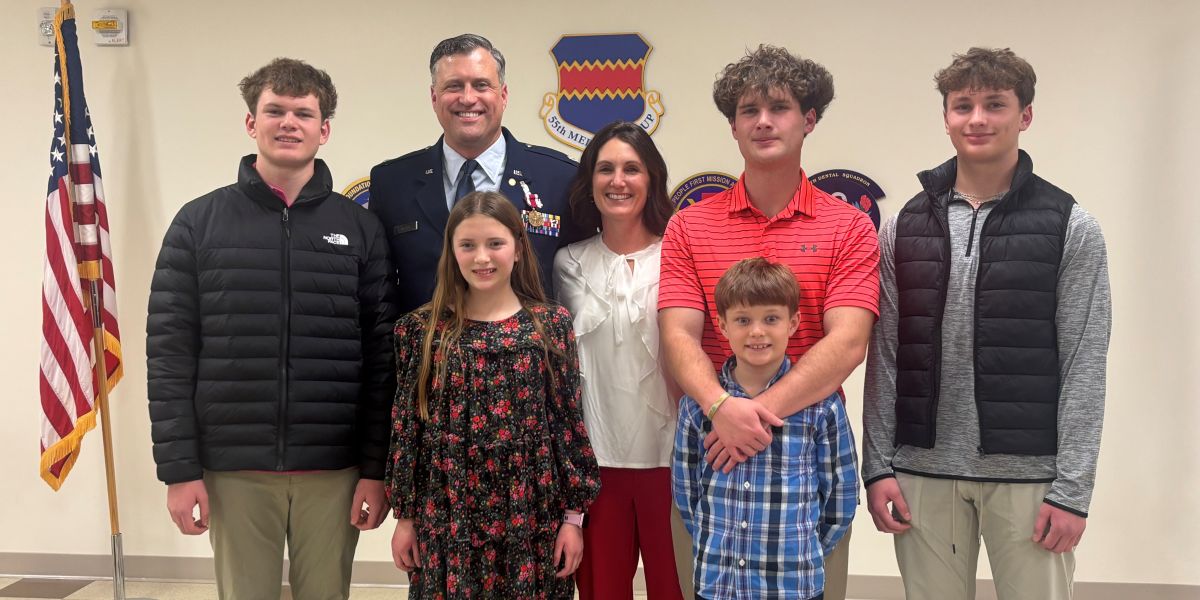
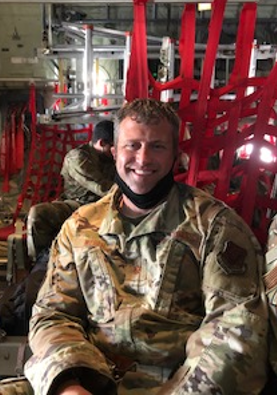
For veteran Chris Weber, navigating his retirement from the Air Force meant leaning into the adaptability he honed in uniform, actively seeking out the right transition resources, and embracing the power of connection.
Drafting the Corporate Playbook
During his two decades as an Air Force Medical Service Corps Officer, Chris managed health care administration and operations, deploying across the globe and adapting to rapidly changing environments. But as he prepared to retire, he realized he needed a structured path into the corporate world.
Chris sought out the Hiring Our Heroes (HOH) Corporate Fellowship program to be that bridge between military service and the civilian workforce. Although he entered the program slightly off cycle, he remained proactive by working closely with his fellowship manager. He patiently navigated the matching process and leaned on mentors until he found the right fit.
“It was definitely a lot easier going through the fellowship process than trying to figure it out on my own, especially with all these different companies,” Chris explained. “The fellowship gave me a foot in the door to be able to make those connections.”
Reporting to a Virtual Workspace
Through the HOH Corporate Fellowship, Chris found his cultural fit with Optum, part of UnitedHealth Group. The fellowship served as an on-ramp, allowing him to adapt to a fully remote work environment, a significant shift from the daily routine of putting on a uniform and reporting to a clinic.
“The fellowship allowed me to navigate that learning curve,” Chris said. “I was worried at first about whether I would like to be remote or be able to make an impact, but it’s been great. The fellowship was a great trial run.”
Finding Camaraderie in the Corporate World
From the start, Chris utilized every networking avenue available to him. Through HOH, he was placed into a cohort of fellow transitioning service members. The weekly cohort meetings became an important sounding board, offering a space to share strategies, discuss job offers, and trade negotiation tactics.
“You have a group of people going through the same spot as you,” Chris recalled. “It was nice to know that everyone kind of has the same questions and issues. It took the stress away because you realized you weren’t the only one going through it.”
Beyond his peer cohort, Chris actively sought out mentorship, connecting with an advisor he met through the HOH network. She provided guidance, offered external perspective, and even helped him refine his resume.
Recognizing the value of these relationships, Chris paid it forward. When an opportunity arose during his fellowship, he brought another HOH fellow along with him to help expand that peer’s network.
Applying Military Resourcefulness to Corporate Challenges
Following a successful fellowship experience, Chris officially joined Optum as the Director of Operations and AI Integration for Behavioral Health. Today, he serves as an AI champion, exploring ways to integrate artificial intelligence to improve patient care and behavioral health operations.
Stepping into this newly created, fully remote role could have been overwhelming. Instead, Chris applied his military adaptability and his proactive networking strategy to quickly establish his value. When an ambiguous, unclaimed project regarding budget planning emerged, Chris didn’t hesitate to take it on.
“The project was open and needed to be done,” Chris explained. “I said, ‘Hey, I’ll take that.’”
Drawing from his military resource management background and the professional relationships he had built, Chris was appointed as the Capital Delegate for Optum Behavioral Health and reached out to other leaders and teams to build a collaborative structure. He stood up an entirely new operating structure that meets monthly to review current spending, approve or reallocate funding as needed, and actively works to help double the budgets for next year.
He credits his military experience with teaching him how to operate in ambiguous environments, take ownership of challenges, and build teams around shared goals, skills that proved just as valuable in the corporate world as they were in uniform.
New Mission, New Squad
For service members preparing for their own transitions, Chris emphasizes the importance of community and networking.
“It is really about your network,” Chris shared. “Don’t hesitate to reach out and make a connection with somebody, because, at the end of the day, that’s how you have success. It’s really about relationships and building positive connections.”
Leaving the military doesn’t mean leaving camaraderie behind. For Chris, transition wasn’t about starting over, it was about building a new squad, one made up of mentors, peers, and colleagues who helped him turn decades of military service into a meaningful second career.